
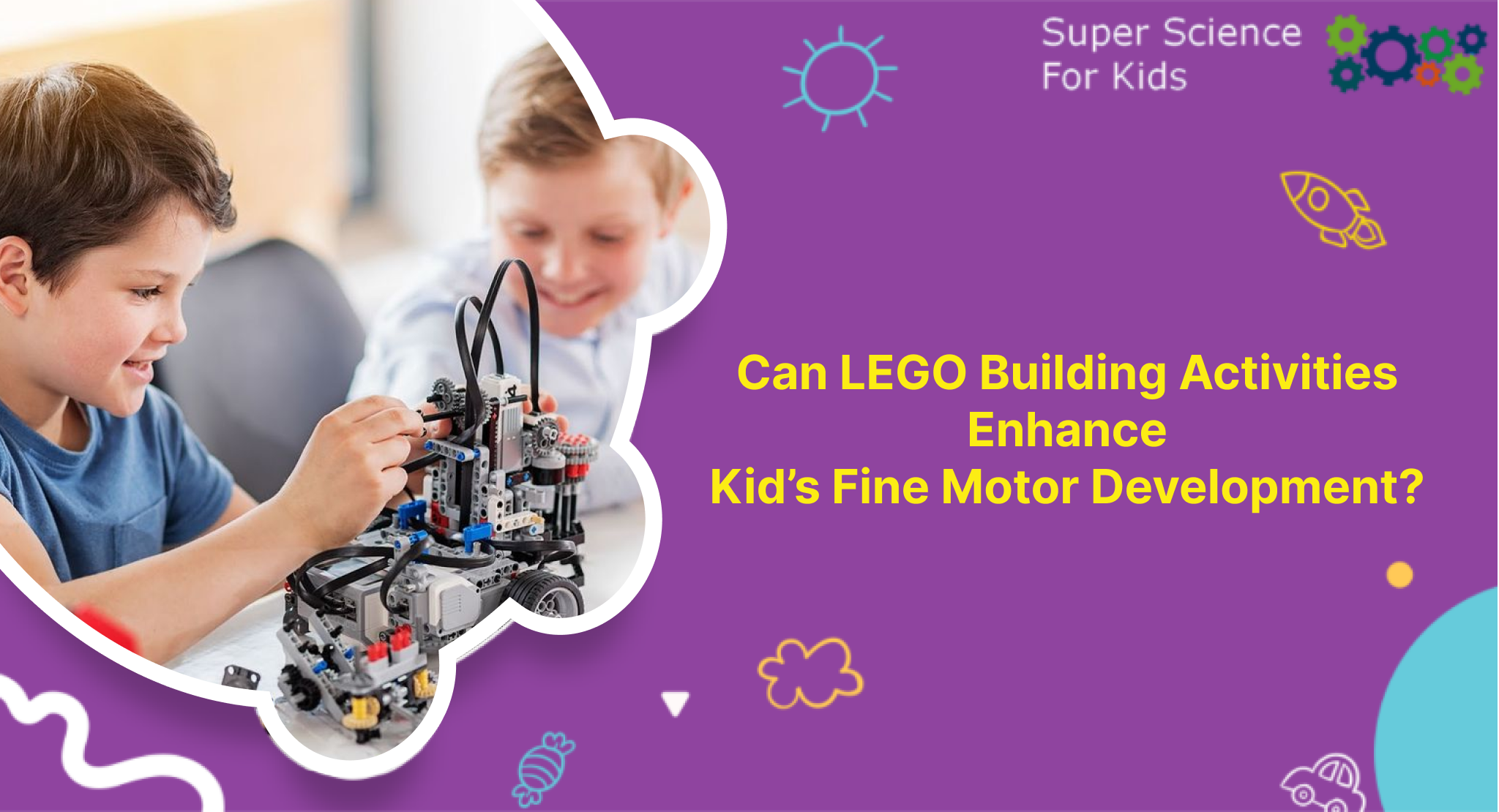
LEGO has been a part of childhood for years, but it’s more than just a toy. At LEGO camps for kids, children get to have fun while boosting skills such as creativity, problem-solving, and self-confidence. While stacking, designing, and constructing, children naturally improve hand-eye coordination, fine motor skills, and spatial awareness, all while having fun.
Why Fine Motor Skills Are Important
Fine motor skills help kids control the small muscles in their hands, fingers, and wrists, which are needed for tasks like writing, drawing, or picking up tiny objects. Playing with LEGO makes this practice fun—snapping bricks together, stacking pieces, and building creations all strengthen coordination and dexterity.
As children work on these challenges, they also learn problem-solving, boost creativity, and gain confidence in their abilities. Completing a project gives them a real sense of pride, independence, and accomplishment, all while keeping learning playful and engaging.
What Age Groups Are Best Suited for LEGO Camps, and What Skills Do Kids Gain?
Most LEGO camps welcome kids from preschool age up to their early teens. These sessions are really hands-on, and kids get to have fun while learning a bunch of skills.
- Fine motor coordination: Handling and connecting LEGO pieces strengthens hand and finger control.
- Problem-solving: Building projects encourages planning, experimenting, and creative thinking.
- Creativity: As they build, kids start to grasp concepts like space, size, and how things are put together.
- Spatial awareness: Working on builds lets kids explore ideas, problem-solve, and come up with their own creative solutions.
- Confidence: Completing their creations helps kids feel accomplished and builds both confidence and independence.
- Social Skills & Teamwork: How do LEGO camps support social skills and teamwork among children? When kids build something as a team, they figure out how to cooperate and bounce ideas off each other.
And the best part? It’s all hands-on and really fun, so kids learn without even realizing it, and they can go as fast or slow as they want.
You May Like: LEGO Building and Early Childhood
What to Look for in a LEGO Camp
If you’re thinking about joining a LEGO camp, check what makes it interesting, what it teaches you, and how it works with your schedule. Here are some things to check:
- Make sure the camp has a wide selection of LEGO bricks and fun challenges to keep children curious and creative.
- Find out if the camp uses LEGO to teach ideas like math, science, or storytelling in a way that feels like play.
- See if the camp includes team projects where kids work together, which helps them build social and communication skills.
- Consider flexibility. Many parents ask, “Are there flexible schedules or drop-in options available for LEGO camps?” A lot of camps are pretty flexible these days. Kids can go in person or join online, so it’s easy to make it work with your schedule.
How Do LEGO Camps Incorporate STEM Learning Through Fun and Creative Activities?
LEGO camps are way more fun than regular STEM classes. You actually get to build stuff, test your ideas, and see what works. You can mess around with coding, robots, or building simple machines with LEGO. Making mistakes? Totally fine—it helps you figure things out and get creative. Basically, you’re learning science, tech, engineering, and math without it feeling like homework. Here’s some stuff you can try:
- Use LEGO to try out your ideas and see what happens.
- Figure things out and use logic as you test different ideas.
- Combine STEM and creativity so it’s hands-on and fun.
- Get hands-on with coding and robotics while having fun.
Supporting Special Needs and Confidence
Honestly, LEGO is way more than just playing with bricks. For kids with special needs, it can actually help them focus a bit better, figure out their emotions, and get hand skills going. The best part? Everything’s hands-on and pretty structured, so it’s calm and safe. Kids can just explore, mess around, and learn at their own speed without any pressure.
With children participating, it’s only right to ask: “What safety measures and instructor qualifications are common in Lego camps?” The best camps have skilled instructors, keep a close watch on all activities, and follow clear safety protocols. This helps them explore, learn, and celebrate their achievements while staying in a safe and encouraging space.
Conclusion
Playing with LEGO does more than entertain; it helps kids develop motor skills, sharpen problem-solving abilities, and gain confidence. LEGO camps for kids turn that play into structured learning, helping children explore STEM concepts, teamwork, and creativity, all while having fun.
Super Science for Kids makes learning fun. Kids get to build with LEGO while exploring STEM topics and creative challenges, giving them a playful way to grow skills and confidence at the same time.
Frequently Asked Questions
- Why are fine motor skills important at LEGO camps?
Playing with LEGO strengthens kids’ hand and finger coordination, helping them develop fine motor skills while having fun. - What skills do kids gain at LEGO camps?
Kids build creativity, problem-solving, confidence, spatial awareness, and teamwork while learning hands-on. - How do LEGO camps make STEM learning fun?
Kids explore coding, robotics, engineering, and science through building and experimenting, learning STEM in a playful, hands-on way.


Leave a Reply